
How to Choose the Perfect Sofa: An Architect’s Guide to Timeless Comfort
Learning how to choose the perfect sofa is one of the most valuable skills you can develop as a homeowner — it’s a decision that quietly shapes how a room feels for years to come.
It’s usually the largest piece of furniture in the room, the first thing you see when you walk in, and the piece that has to do the most work — comfort, style, durability, and often the tone for everything else you choose afterward. And yet, it’s also one of the purchases people rush the most, usually because they’re overwhelmed by choice rather than guided by a clear process.
After thirty years of specifying sofas for real homes, I can tell you that the mistakes I see aren’t usually about taste. They’re about skipping the fundamentals — proportion, construction, and how a piece will actually be lived in — in favor of picking whatever looks good in a photo. So before we talk about style, let’s talk about how I actually approach this decision.
How to Choose the Perfect Sofa: Start With Scale and Proportion
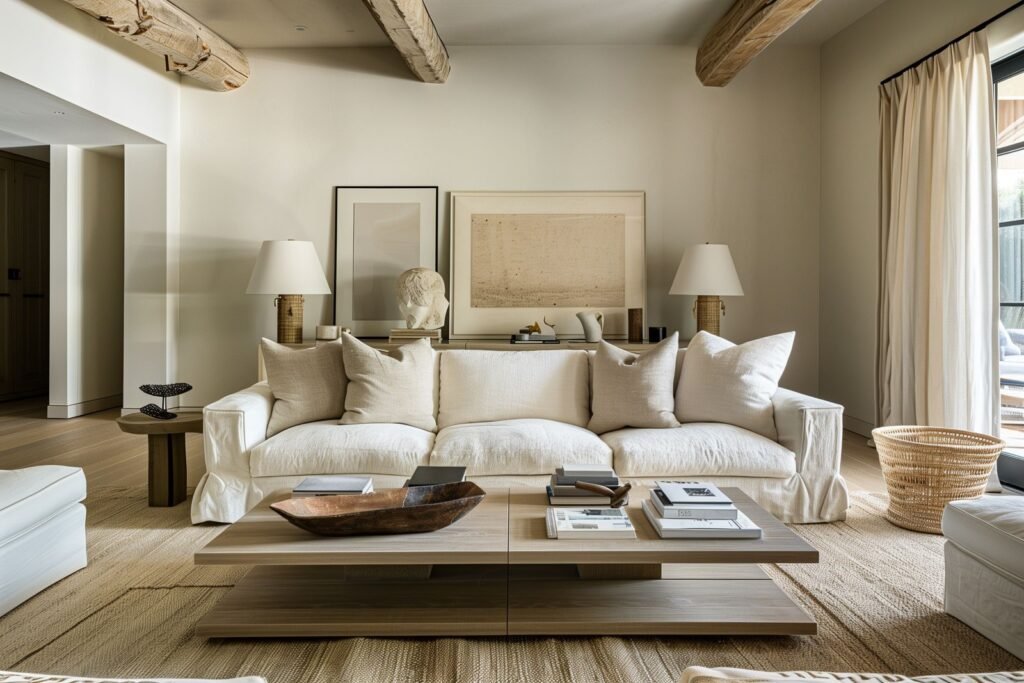
Before I ever think about the look of a sofa, I think about the room it needs to live in. This is the step most people skip, and it’s the one that determines whether a sofa feels like it belongs in a space or like it was just placed there.
Measure your room first — not just the empty floor, but the walkways, doorways, and the distance you’ll want between the sofa and a coffee table (18 to 24 inches is a comfortable range). As a general guide, a sofa should occupy roughly two-thirds of the wall it sits against, leaving breathing room on either side rather than stretching wall to wall.
Proportion also means thinking about height and scale relative to the rest of the room. A low-profile sofa can get lost in a room with high ceilings, while an oversized piece can overwhelm a more intimate space. This is exactly the kind of judgment call that has nothing to do with trends and everything to do with how a room is built — which is why I always start here.
Choose the Right Depth for How You Actually Live
Depth is one of those details that rarely gets discussed, yet it’s the difference between a sofa you love and one you tolerate.
If you tend to sit upright — reading, working, having conversation — look for a seat depth between 20 and 23 inches. If you’re someone who sinks in for movie nights and long afternoons, you’ll be happier with a deeper seat, closer to 24 to 28 inches.
Think honestly about how you use your living room, not how you imagine using it. I’ve seen many beautiful sofas go unused simply because the depth didn’t match the way the household actually lived.
Choosing the Right Configuration for Your Space
Once you know the scale and depth you need, the next question is configuration — and this is where lifestyle matters as much as layout.
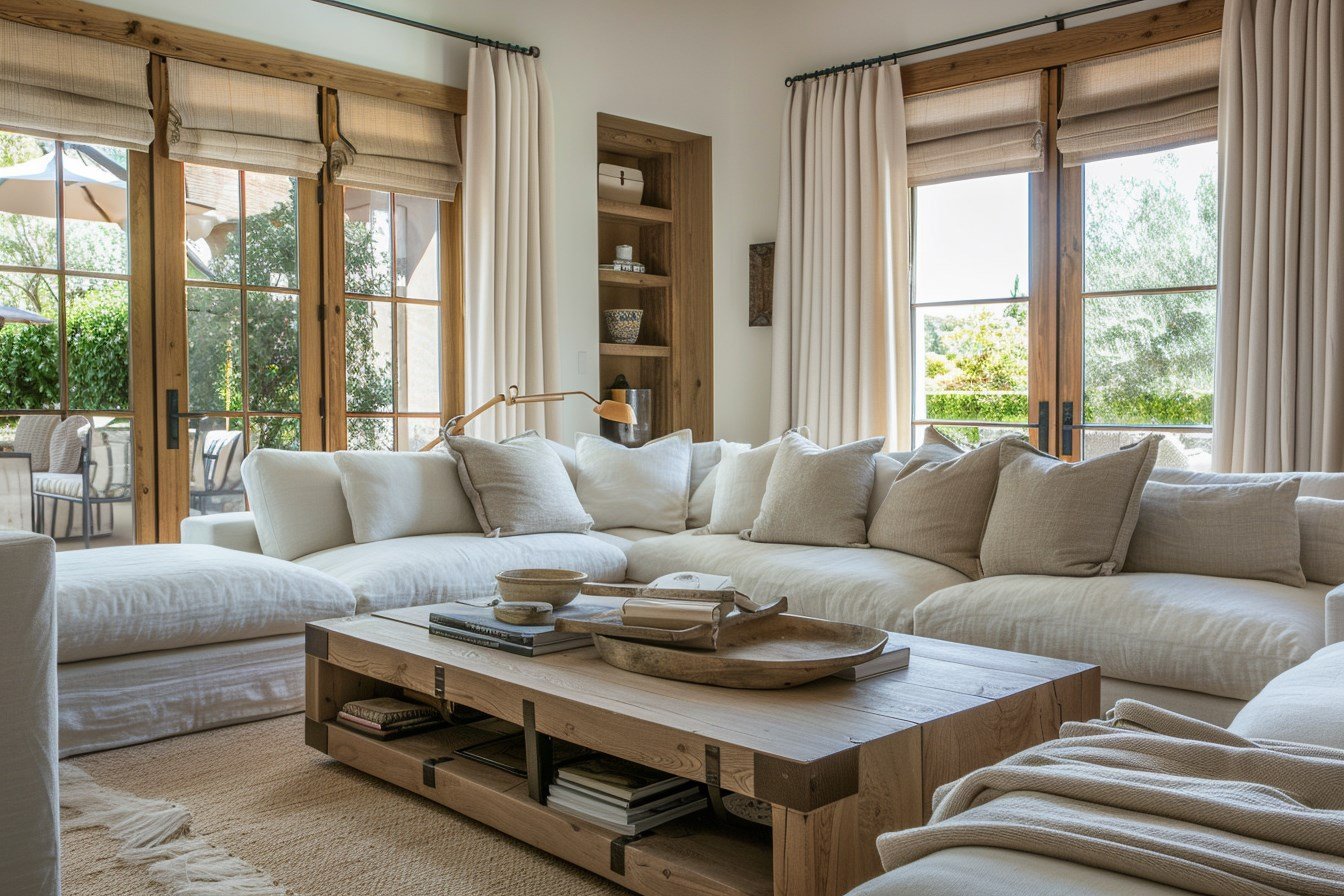
Sectionals have become a favorite for a reason: they offer generous seating without necessarily reading as bulky, and they work beautifully in open-concept living rooms or family spaces where people gather for long stretches of time. A well-proportioned sectional can define a room the way an area rug does, creating a natural gathering space without walls. The key is making sure the chaise or extended arm doesn’t block a natural walkway, and that the scale still leaves the room feeling open rather than crowded.
Motorized and reclining sofas have also come a long way from the boxy, obviously “recliner” look of years past. Today’s versions can be genuinely elegant — with clean lines, tailored upholstery, and a silhouette that doesn’t announce the mechanism underneath. They’ve become especially popular in media rooms and family spaces built around movie nights and everyday comfort. If this is the direction you’re leaning, look closely at how the piece looks both open and closed, and confirm there’s enough clearance behind it for the mechanism to fully extend.
Neither configuration is more or less “designed” than the other — the right choice simply comes down to how you actually use the room, day to day.
Understand Sofa Frame Construction
This is the part almost no one asks about, and it’s the single biggest predictor of whether a sofa will still look — and feel — good in ten years.
A well-made sofa starts with a solid hardwood frame, ideally kiln-dried to prevent warping over time. Joints should be corner-blocked, doweled, or screwed rather than simply stapled or glued, which tend to loosen with regular use. Underneath the cushions, look for eight-way hand-tied springs or a high-quality sinuous spring system — both offer better long-term support than webbing alone.
None of this is visible when you’re sitting in a showroom, which is exactly why it’s overlooked. But it’s the difference between a sofa that’s a five-year purchase and one that’s a twenty-year investment. When in doubt, ask directly about the frame and suspension system before you ask about fabric.
Choosing a Fabric That Will Age Well
Fabric is where personality enters the picture, but it’s also where I see people make the most impulsive decisions.
Performance fabrics have come a long way and are now a genuinely elegant option — durable, easy to clean, and forgiving with children and pets, without looking like “outdoor furniture indoors.” Linen brings warmth and texture but wrinkles and softens with use, which some people love and others don’t. Velvet reads as more formal and rich, and holds up beautifully in low-traffic, more intentional spaces. Leather, when it’s good leather, only improves with age and develops a character that fabric can’t replicate.
There’s no universally “right” answer here — the right fabric is the one that matches your actual lifestyle, not just the mood board. A family with young children and a family with no pets and a quiet home should not be choosing the same fabric, even if they love the same sofa.
If you share your home with pets — and today, just as many of my clients are furnishing around a dog or cat as around children — fabric choice deserves even more attention. Look for tightly woven performance fabrics or genuine leather, both of which resist scratching and shedding far better than loose weaves like linen or boucle. Solution-dyed fabrics are worth asking about specifically, since the color runs through the entire fiber rather than sitting on the surface, which makes them far more resistant to staining and fading from cleaning. If low-VOC or eco-friendly materials matter to you — a growing and completely valid concern for households with pets or young children — ask about GREENGUARD-certified foam and natural or water-based fabric treatments rather than fabrics heavily treated with synthetic stain repellents.
Color and Timelessness Over Trends
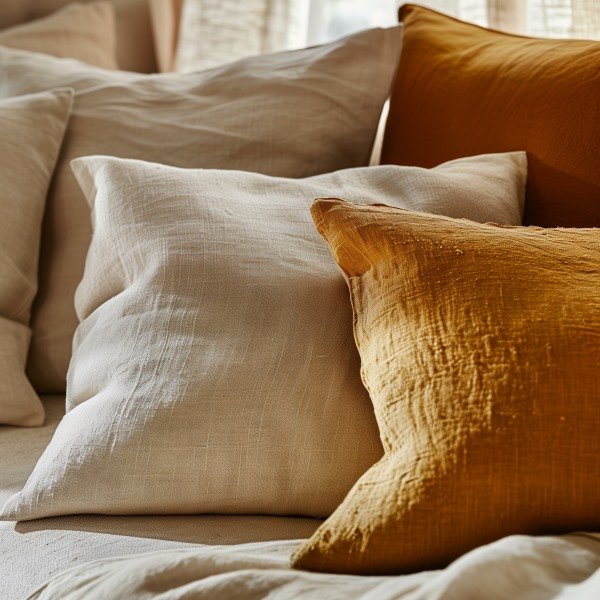
This might be the piece of advice I repeat most often: choose your sofa color for the next ten years, not for this season.
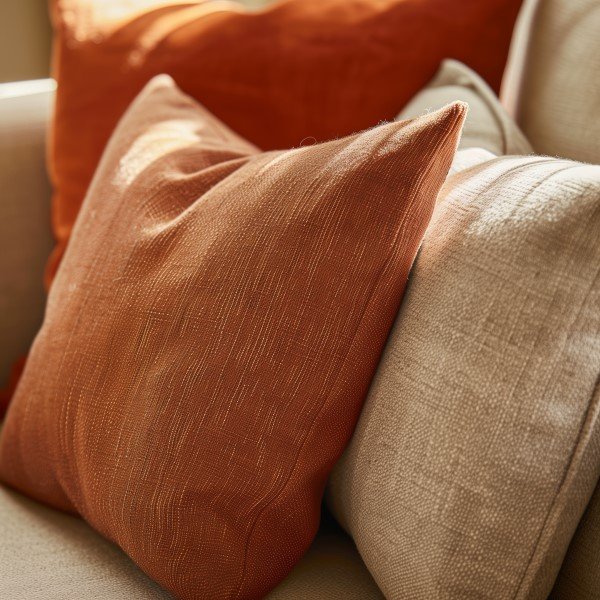
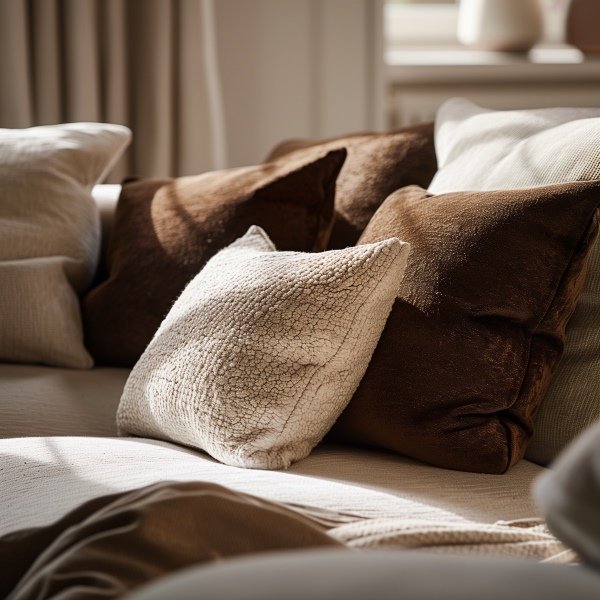
Trend-driven colors — whatever shade is having a moment — tend to date a room faster than almost anything else you’ll buy. A neutral base doesn’t mean boring; it means the sofa becomes a foundation you can layer color and personality around through pillows, throws, and art, which are far easier and less expensive to update over time.
If you’re drawn to a bolder color, ask yourself honestly whether you’ll still love it in five years, or whether it’s answering to a trend you’re seeing everywhere right now. The sofas that photograph well today and still feel right a decade from now are almost always the ones that were chosen for longevity first.
Common Mistakes to Avoid When Buying a Sofa
A few patterns show up again and again with clients and readers alike:
• Buying the sofa before measuring the room. This is the most common — and most expensive — mistake I see.
• Prioritizing look over frame quality. A beautiful fabric on a poorly built frame will not age well, no matter how good it looks on day one.
• Choosing a trend-driven color or shape. What feels fresh today can feel dated surprisingly quickly.
• Ignoring how the piece will actually be used. A show-piece sofa in a high-traffic family room, or a deep, casual sofa in a formal sitting room, rarely works long-term.
• Underestimating delivery logistics. Always check that a sofa will fit through your doorways, stairwells, and elevators before you fall in love with it.
Most of these mistakes aren’t about taste. They’re about skipping a step in the process — which is exactly why having a clear framework matters more than having a big budget.
Final Thoughts: How I’d Choose a Sofa for My Own Living Room
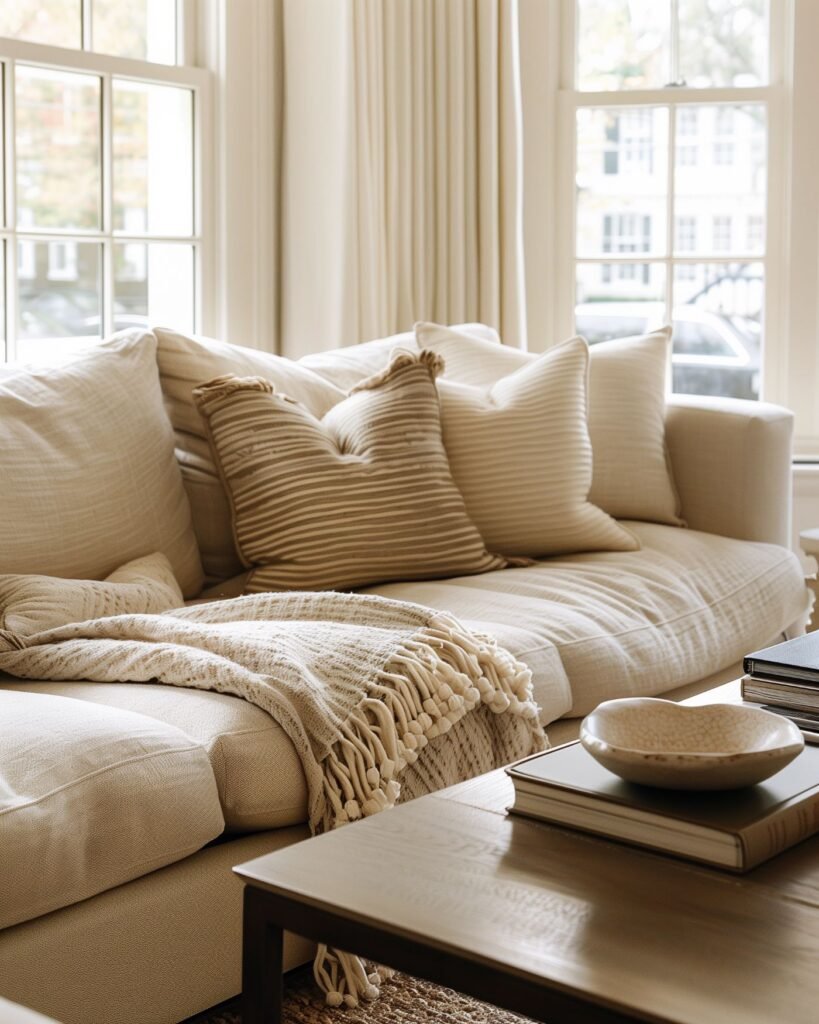
If I were choosing a sofa for myself today, I’d start exactly where I told you to start — with the room, not the showroom. I’d measure first, decide on depth based on how I actually spend my evenings, ask about the frame before I fell in love with a fabric, and choose a color I could still love in fifteen years.
A sofa is one of the few pieces in a home that has to be both beautiful and genuinely functional every single day. When you get the fundamentals right, the style takes care of itself — and that’s when a sofa stops being just a purchase and starts being a piece you’ll live with, happily, for a very long time.