
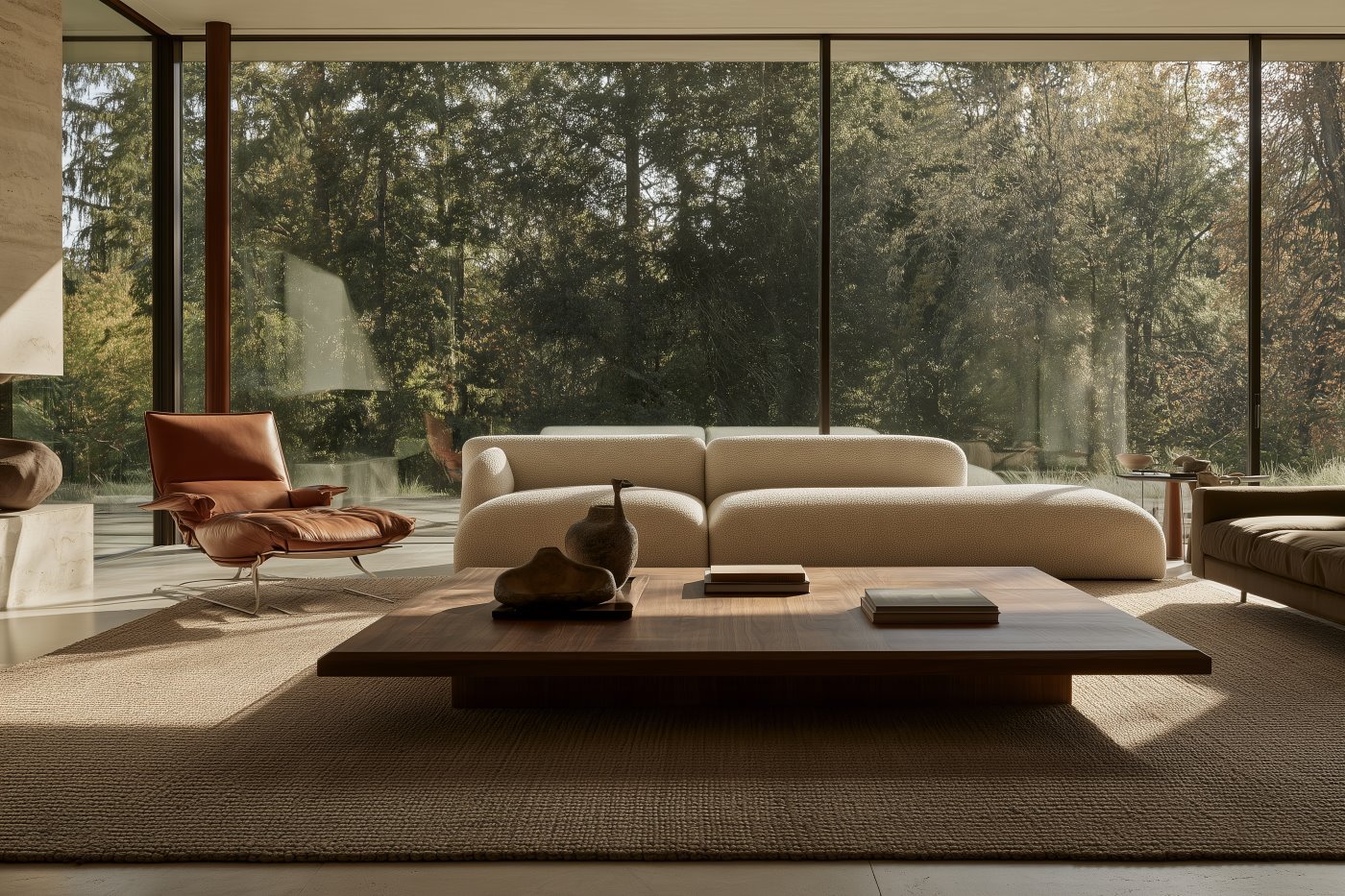
A beautiful room is not simply the result of buying beautiful things.
You can invest in quality furniture, elegant lighting, and carefully chosen accessories and still feel that something isn’t quite right. Often, the problem lies in the relationship between the pieces, the architecture of the room, and the way the space is used.
Furniture proportions, circulation, lighting, materials, and even the areas we choose to leave empty all contribute to a successful interior.
Many common decorating mistakes begin long before the finishing touches are added. They often start with decisions about planning, scale, and function—and understanding these principles can help you create a home that feels more balanced, comfortable, and intentional.
The good news is that many of these mistakes can be avoided—or corrected—without starting over.
Here are twelve common decorating mistakes, why they matter, and practical ways to fix them.
1. Buying Furniture Before Creating a Plan
It’s easy to fall in love with a sofa, dining table, or statement chair before considering how it will work in your home.
But furniture that looks beautiful in a showroom may not fit comfortably into the room where it belongs. A sofa might leave too little space for circulation, or a dining table may fit perfectly until someone pulls out a chair.
When pieces are purchased independently, the room can become a collection of attractive objects rather than a cohesive, functional space.
How to Fix It
Begin with a simple room plan before shopping.
Measure the room and identify the position of windows, doors, architectural features, and electrical outlets. Include any existing furniture you intend to keep.
Next, consider how you want to use the space. A living room designed for entertaining may require a different furniture arrangement than one primarily used for television viewing or family activities.
A measured floor plan helps establish whether furniture fits, while looking at the walls in elevation helps you evaluate heights, artwork, windows, and lighting.
You don’t need professional design software. A hand-drawn plan with accurate measurements is a valuable starting point.
The Designer’s Tip: Before making a major purchase, outline the proposed furniture dimensions on the floor with painter’s tape. It is much easier to adjust a layout before the furniture arrives.
2. Ignoring Scale and Proportion
One of the most common interior design mistakes is selecting furniture that is too large or too small for the space.
An oversized sectional can overwhelm a compact living room, while a small sofa surrounded by substantial tables may feel visually disconnected.
But scale involves more than measurements. Furniture with thick arms, high backs, or heavy bases often appears larger than pieces with slimmer profiles, even when their overall dimensions are similar.
How to Fix It
Evaluate furniture in relation to the room, the surrounding pieces, and the architecture.
Consider the ceiling height, window proportions, and the amount of open space remaining around the furniture.
Look beyond width and depth. The height, silhouette, upholstery, and visual weight of a piece can influence how balanced the room feels.
For example, a low-profile sofa may preserve the openness of a room with expansive windows, while a more substantial piece may feel appropriate in a space with generous ceiling height.
The objective is not to make every piece the same size. It is to create a balanced composition.
The Designer’s Tip: When comparing furniture, look at its silhouette as well as its dimensions. Slim arms, visible legs, and lower backs can make a piece feel visually lighter.
For additional guidance, explore our article How to Choose the Perfect Sofa.
3. Blocking Circulation With Poor Furniture Placement
A room may look attractive in photographs but feel uncomfortable in everyday life.
This often happens when furniture blocks natural walking paths, makes doors difficult to access, or creates awkward movement between seating areas.
Another common mistake is pushing every piece against the walls without considering whether a more intimate arrangement would improve conversation and comfort.
How to Fix It
Start by identifying the natural circulation routes through the room.
As general planning guidelines, allow approximately 36 inches for primary walking paths and around 24–30 inches for certain secondary passages where appropriate.
These are not universal clearance requirements. Accessibility needs, room functions, and applicable building standards may call for more space.
Position furniture so people can enter, sit, stand, and move comfortably.
In a large living room, bringing seating closer together can create a more welcoming conversation area. In a smaller space, removing one unnecessary chair may improve both circulation and visual balance.
Remember that empty space is part of the design. Not every corner needs furniture.
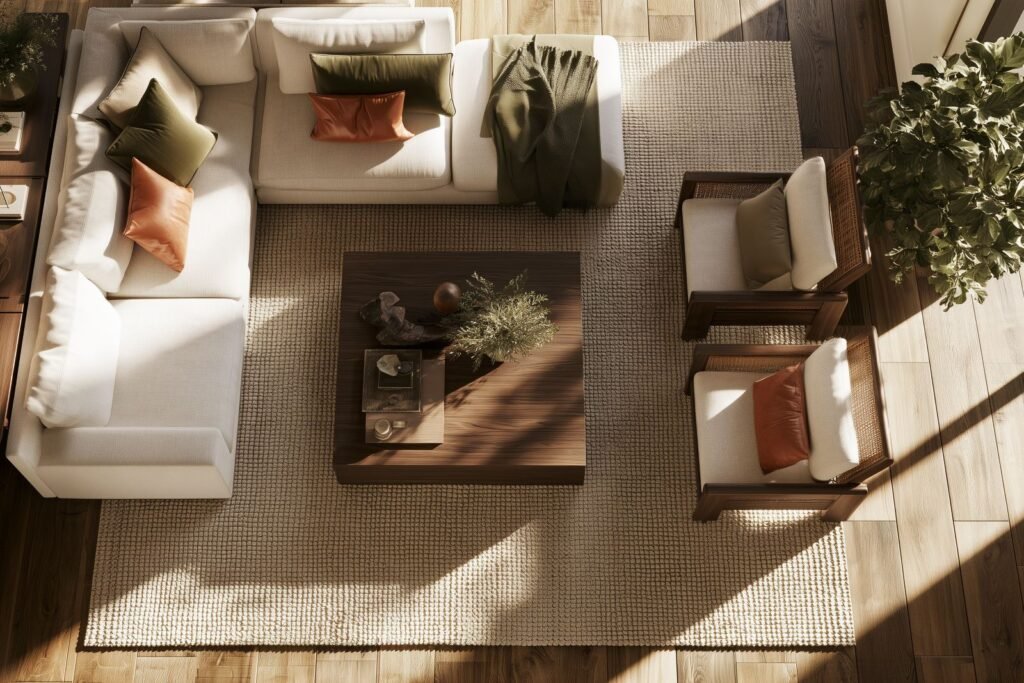
The Designer’s Tip: Walk through the proposed furniture arrangement before finalizing it. If you repeatedly have to turn sideways or move around obstacles, reconsider the placement.
4. Ignoring the Room’s Natural Focal Point
Every room has characteristics that can help guide its design.
A fireplace, large window, beautiful view, or distinctive architectural feature may naturally draw attention.
When furniture placement ignores these elements, the room can feel visually unsettled. Competing focal points can also make it difficult to establish a clear sense of balance.
How to Fix It
Begin by identifying what naturally attracts attention when you enter the room.
Consider whether the furniture should emphasize a view, frame a fireplace, or create a comfortable conversation area.
If a television is part of the room, think carefully about its relationship to windows, glare, seating positions, and other architectural features.
Not every room needs one dramatic focal point. Some multifunctional spaces work well with two complementary areas of attention.
The important thing is to establish a visual hierarchy rather than allowing every element to compete equally.
The Designer’s Tip: Stand at the entrance and identify the first feature you notice. Use it as a starting point for the arrangement, while giving equal consideration to comfort and circulation.
5. Relying on a Single Source of Lighting
Lighting is one of the most influential elements in a room, yet it is often treated as an afterthought.
A living room illuminated only by recessed ceiling lights may be bright enough but still feel flat or uninviting.
Good lighting is not simply about brightness. It is about distributing light where it is needed and creating a comfortable atmosphere.
How to Fix It
Combine three types of lighting:
- Ambient lighting provides general illumination.
- Task lighting supports activities such as reading, cooking, or working.
- Accent lighting highlights artwork, architectural features, and decorative elements.
Distribute light at different heights using table lamps, floor lamps, sconces, and ceiling fixtures.
Pay attention to color temperature. Warm white light around 2700K often creates an inviting atmosphere in living rooms and bedrooms.
A color rendering index (CRI) of 90 or higher is worth considering when accurate color appearance matters, especially around artwork and finishes.
Where compatible, dimmers make lighting more adaptable throughout the day.
Also consider electrical outlet locations before arranging furniture or purchasing lamps.
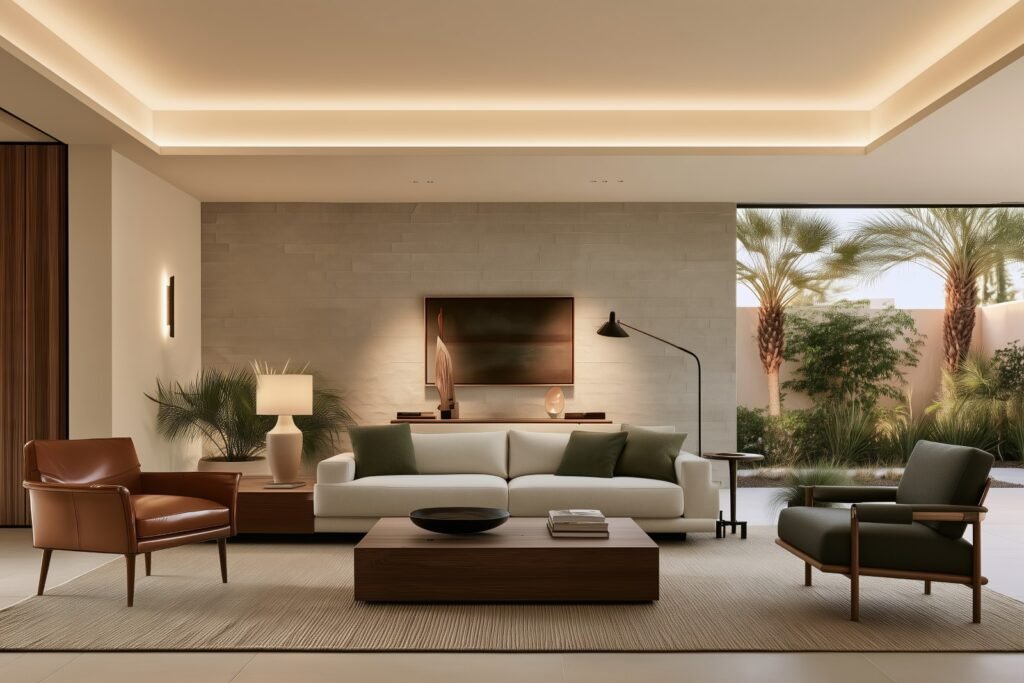
The Designer’s Tip: Instead of relying on one bright overhead fixture, place smaller light sources around the room. This creates depth and allows different areas to feel comfortable and purposeful.
Read our complete guide, How to Layer Lighting, for more ideas.
6. Choosing Paint Colors Without Testing Them in the Room
A paint color that looks beautiful online or in a showroom may appear very different in your home.
Natural light changes throughout the day, while flooring, cabinetry, furniture, and artificial lighting influence how colors are perceived.
Even neutral colors can reveal unexpected undertones once applied to a large wall.
How to Fix It
Test large paint samples in the actual room before making a final decision.
Observe them in morning light, afternoon light, and under the artificial lighting you normally use in the evening.
Compare the samples with permanent finishes such as flooring, countertops, cabinetry, and existing upholstery.
Look carefully at undertones. A white may appear yellow or pink beside certain materials, while a gray may reveal blue or green undertones.
Also consider paint sheen, which affects how light reflects off the surface and how visible wall imperfections may become.
The Designer’s Tip: Evaluate paint colors next to the materials that will remain in the room. A color should complement the complete palette, not simply look attractive on its own.
7. Choosing an Area Rug That’s Too Small
A rug helps define a seating arrangement and visually connect the furniture.
When it is too small, the furniture may appear to float around it rather than belong to one cohesive composition.
This is especially common when a small rug sits beneath the coffee table without extending toward the surrounding seating.
How to Fix It
Choose the rug according to the furniture arrangement rather than selecting a standard size without measuring.
In many living rooms, positioning at least the front legs of the main seating pieces on the rug creates a more unified appearance.
In larger rooms, a rug that accommodates the entire seating group may be more appropriate.
Consider circulation, nearby doors, exposed flooring, and the relationship between the rug and surrounding furniture.
A suitable rug pad can also improve stability and comfort.
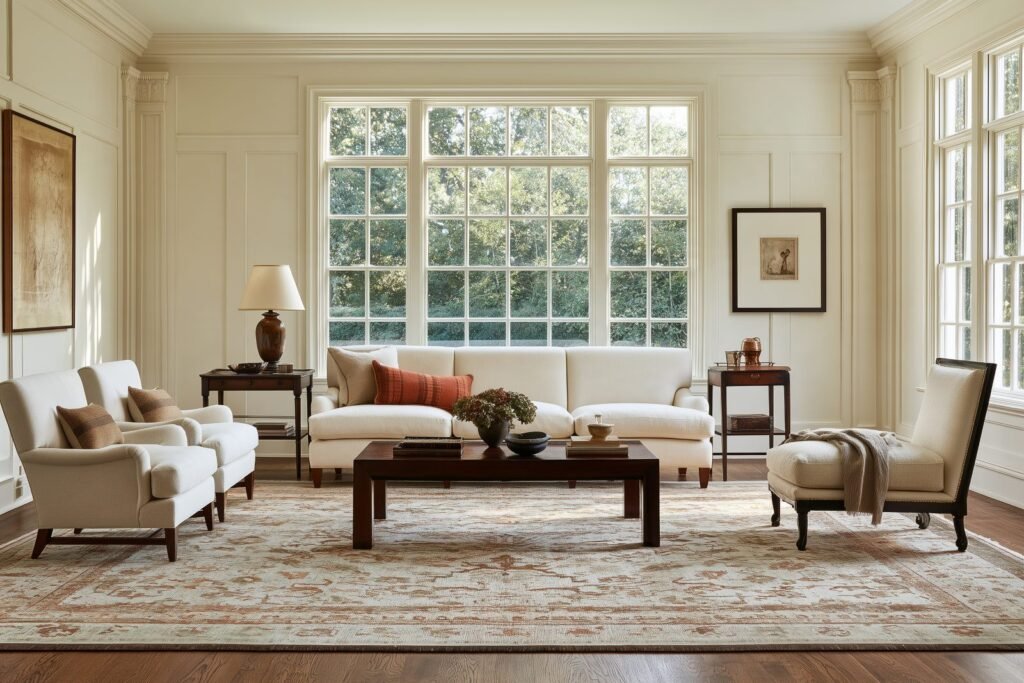
The Designer’s Tip: Use painter’s tape to mark the proposed rug dimensions on the floor. Evaluate whether the rug visually connects the seating group before purchasing it.
For more detailed advice, see How to Choose an Area Rug.
8. Hanging Curtains Too Low or Too Narrow
Window treatments can change how tall, wide, and balanced a room appears.
Curtains mounted immediately above the window frame may make the wall feel shorter. Rods that are too narrow can cause the open curtains to cover an unnecessary amount of glass.
How to Fix It
Consider the entire window wall, including ceiling height, architectural trim, and nearby doors.
As a starting point, curtain rods are often mounted approximately 4–6 inches above the window frame when space permits. Mounting them higher may help create a more elongated appearance.
Extending the rod approximately 6–12 inches beyond each side of the window can allow panels to stack away from the glass, depending on panel fullness and available wall space.
For a tailored look, curtains generally finish at or just above the floor.
These measurements are guidelines, not universal rules. The most appropriate placement depends on the architecture of the room.
The Designer’s Tip: Before installing the rod, mark its proposed height and width on the wall. Step back and evaluate its relationship to the ceiling, window, and surrounding architectural details.
9. Hanging Artwork Too High or Choosing the Wrong Scale
Artwork can bring personality and visual interest to a room, but its placement matters.
A small painting above a large sofa may appear insignificant, while artwork hung too high can feel disconnected from the furniture below.
How to Fix It
When hanging artwork on an open wall, placing its center approximately 57–60 inches above the floor is a useful starting point.
However, artwork positioned above furniture should relate to the piece beneath it.
For example, leaving approximately 6–10 inches between the top of a sofa and the bottom of the artwork often creates a comfortable visual connection.
For a single piece above a sofa, a width of approximately two-thirds to three-quarters of the sofa can create a balanced composition.
These proportions should be adjusted according to the artwork, furniture, and room.
The Designer’s Tip: Cut a paper template to the artwork’s actual dimensions and tape it to the wall. Evaluate the placement from the entrance and primary seating positions before making holes.
10. Choosing a Coffee Table Based on Appearance Alone
A coffee table may be beautiful but still be uncomfortable or impractical.
The wrong dimensions, height, shape, or placement can affect circulation and everyday use.
How to Fix It
Evaluate the table in relation to the sofa and surrounding seating.
As a general guideline, a coffee table approximately two-thirds the length of the sofa often creates a balanced relationship.
Its height is usually most comfortable when close to the sofa’s seat height or slightly lower.
A distance of approximately 14–18 inches between the sofa and coffee table is a useful starting point, adjusted for legroom, reach, and the specific furniture arrangement.
Consider how the table will be used.
For smaller rooms or homes needing additional storage, drawers, shelves, or concealed compartments may be especially valuable.
Round or oval tables can also improve circulation in certain layouts.
The Designer’s Tip: Sit on the sofa and imagine reaching for a drink or book. The table should be comfortable to use, not simply attractive to look at.
Explore our article How to Choose a Coffee Table for additional guidance.
11. Matching Everything and Forgetting Texture
A complete matching furniture set can feel convenient, but it may also make a room appear overly coordinated.
Similarly, decorating with one color and similar finishes throughout can result in a space that lacks depth.
How to Fix It
Create cohesion through a thoughtful combination of colors, materials, proportions, and repeated details.
A linen sofa can pair beautifully with leather chairs, a wood coffee table, a textured rug, and metal lighting.
The pieces do not need to match exactly. They need to relate to one another.
In neutral rooms, texture becomes particularly important.
Combine smooth and tactile surfaces, matte and reflective finishes, and soft and structured elements.
Repeat selected materials or tones throughout the room to create continuity without making everything identical.
The Designer’s Tip: Choose two or three finishes to repeat subtly throughout the space, then introduce contrasting textures to add depth and personality.
12. Spending on Accessories Before Investing in the Foundation
Decorative accessories can make a room feel finished, but they cannot compensate for poorly scaled furniture, uncomfortable seating, or inadequate lighting.
Buying numerous pillows, vases, and decorative objects before addressing the room’s essential elements can lead to unnecessary spending.
How to Fix It
Prioritize the pieces that have the greatest influence on comfort, function, and the overall composition.
Depending on the room, these may include:
- A properly scaled sofa.
- Comfortable dining chairs.
- An appropriately sized rug.
- Functional, layered lighting.
- Window treatments that provide privacy and light control.
This does not mean every foundational piece must be expensive.
It means making purchasing decisions according to importance, durability, and how frequently the item will be used.
Accessories can be added gradually and updated as your style evolves.
The Designer’s Tip: Before purchasing decorative accessories, identify the three improvements that would make the greatest difference to the room’s comfort and functionality. Address those priorities first.
Frequently Asked Questions
What Are the Most Common Decorating Mistakes?
Common decorating mistakes include buying furniture without measuring, ignoring scale and proportion, blocking circulation, choosing rugs that are too small, relying on one light source, and hanging artwork incorrectly.
Many of these issues can be prevented through careful planning.
How Can I Fix Decorating Mistakes Without Buying New Furniture?
Start by rearranging furniture, improving circulation, adjusting artwork placement, and removing unnecessary accessories.
Redistributing lamps or changing the relationship between existing furniture pieces can also improve a room without major purchases.
How Do I Know If My Furniture Is the Right Size?
Measure the room and create a scaled furniture layout.
Evaluate circulation space, the relationship between pieces, and how the arrangement feels from different viewpoints.
Remember that visual weight matters as much as physical dimensions.
Should Every Room Have a Focal Point?
A focal point can help organize a room, but it does not need to be dramatic.
A fireplace, view, artwork, or architectural feature can provide visual direction. Multifunctional rooms may benefit from more than one area of visual interest.
Final Thoughts
Beautiful interiors are created through thoughtful relationships between furniture, architecture, lighting, materials, and the spaces we leave open.
Many common decorating mistakes can be corrected without replacing everything. Sometimes a better furniture arrangement, a properly sized rug, or more intentional lighting makes the greatest difference.
The key is to prioritize proportion, function, and visual balance before focusing on decorative details.
When these principles guide your decisions, creating a home that feels timeless, comfortable, and personal becomes a more intentional—and rewarding—process.
